
Case Laws

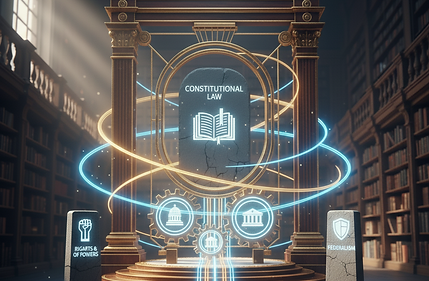
Constitutional Law-I
Constitutional law is a body of law that defines the structure, powers, and duties of a government. It establishes the fundamental principles by which a state is governed and outlines the basic rights of its citizens. The constitution serves as the supreme law of the land, to which all other laws must adhere.

Taxation Law
Taxation law governs the system by which governments impose and collect taxes from individuals and entities to fund public services and development.
It outlines the rights and duties of taxpayers, the powers of tax authorities, and the procedures for assessment, collection, and dispute resolution.
This branch of law ensures a fair distribution of the tax burden while balancing state revenue needs with taxpayer protections.

Industrial Laws
Industrial law governs the employer-employee relationship, ensuring fair working conditions and protecting workers' rights. Born from the Industrial Revolution's harsh realities, it covers wages, safety, unionization, and social security. Its goal is to balance the interests of both employers and employees for a harmonious workplace.

Administrative Law
Administrative law is a branch of public law that governs the activities of executive branch agencies. It deals with the rules and procedures that government agencies must follow when creating and enforcing regulations. Its purpose is to ensure that administrative actions are lawful, reasonable, and fair.
Principles of Contract
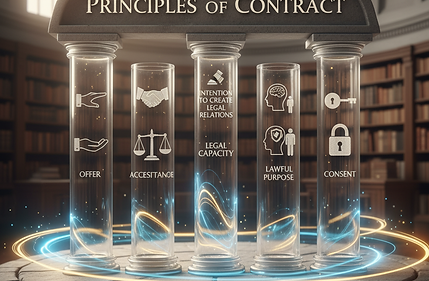
Contracts are legally enforceable agreements built on key principles like free consent, consideration, capacity, and legality. These principles ensure fairness, clarity, and accountability in relationships and transactions.
Law of Torts
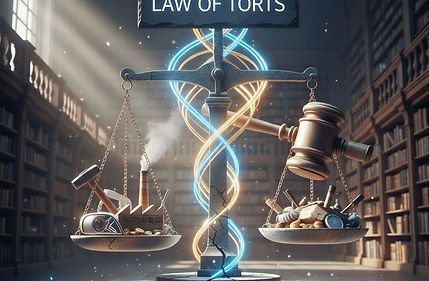
The Law of Torts is an uncodified, judge-made area of law from Common Law that provides compensation for civil wrongs. It deals with conflicts between individuals and has expanded to cover liability for manufacturers and industrial units. Since it evolves through judicial pronouncements, its principles are understood by studying case law.

Law of Crimes I
This project aims to introduce students to the fundamental concepts of crime and the general principles of criminal liability, including the essential mental element mens rea and exemptions from liability. It highlights the evolving nature of the Bhartiya criminal justice system, emphasizing a shift from punitive measures to justice (Nyaya) and community service. The project also explores specific offences under the Bhartiya Nyaya Sanhita and recent legal developments in criminal law.

Information Technology Law
The digital revolution, driven by computers and the internet, has fundamentally changed how society operates, necessitating new laws. In response, India passed the Information Technology Act, 2000 to govern electronic activities and commerce. This course will explore the IT Act, focusing on data protection, cyber security, electronic signatures, and related legal issues.